Towera Mtambo
Growing Strength: How Farming Is Building Community and Health for Women in Rural Malawi
In rural Malawi, testing positive for HIV can still mean more than a health diagnosis — for some women, it can mean isolation from the very community they need most. Towera Mtambo set out to change that, one seed, one chicken, and one friendship at a time.
Working through the East Africa/Great Lakes Hub in partnership with Kibo Alliance and SowHope, Towera built something that started as an income project and grew into a lifeline: a network of women supporting each other's health, their families, and their futures.
Three Groups, One Shared Purpose
Towera's approach began with people, not just plans. She established three farming groups — Sande, Timasuke, and Umodzi Support — each starting with a flock of chickens (two groups with 200 birds, one with 100 chicks) and training in organic feed and farming methods.
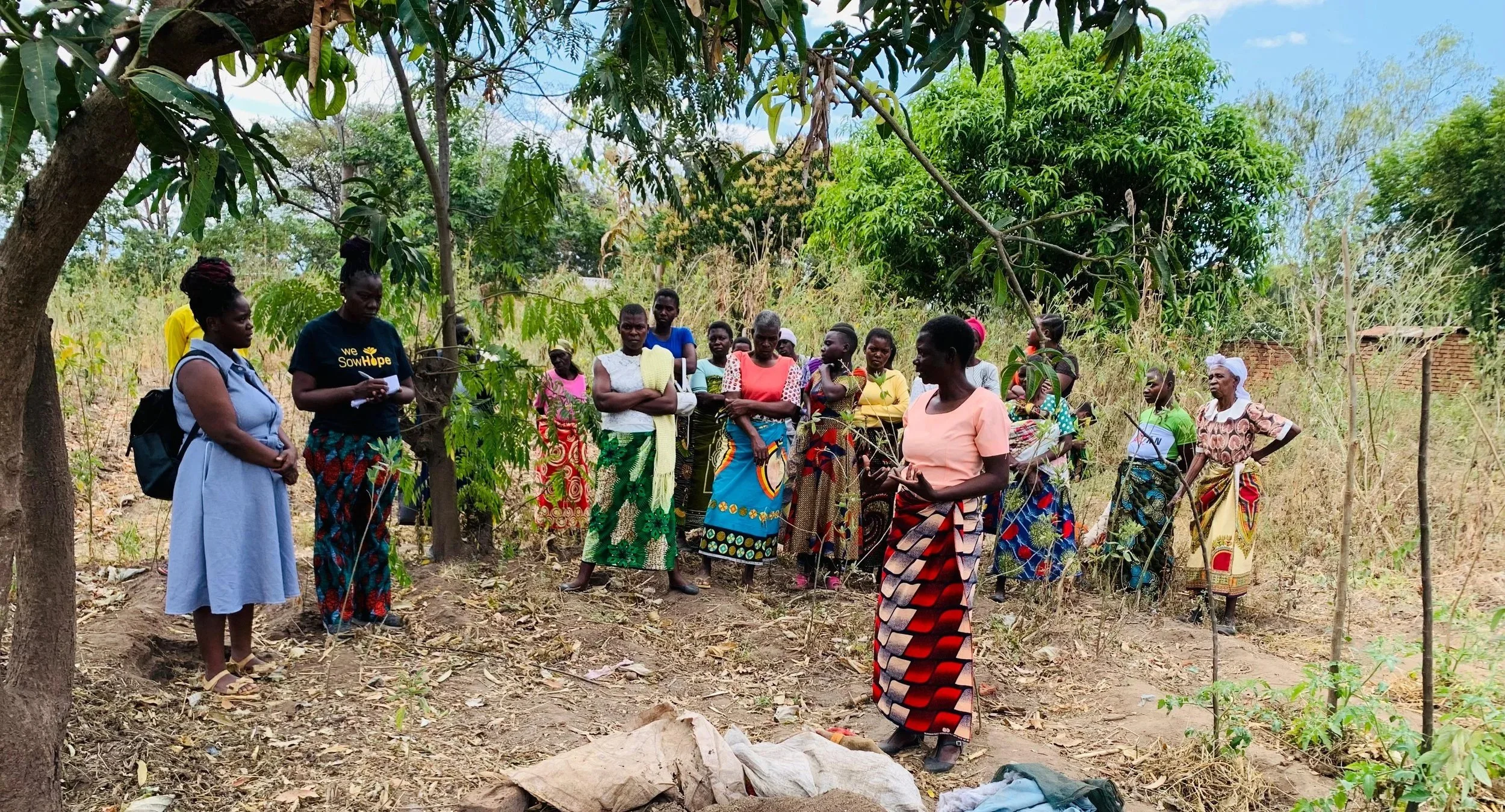
The Sande Group, made up of HIV-positive women, built a vegetable farm from the ground up, growing chickpeas and other crops from their training. Beyond fresh, nutritious food for their families, the farm became something more: a gathering place where members leaned on each other through their health journeys and shared what they were learning.
The Timasuke group started out skeptical — many doubted they could successfully grow the seeds they'd been given. But training in soil preparation, crop rotation, plant spacing, manure production, and natural pest control turned that doubt into capability, and eventually, confidence.
The Umodzi Support group focused on nutrition and long-term livelihood, throwing themselves into organic farming training that has since helped them grow consistent, healthy food for their households.
From Skepticism to Sisterhood
What started as three separate groups has grown into something like family. These women, many managing HIV alongside the daily demands of rural life, have become self-sufficient farmers with a deep sense of pride in what they've built together.
One member put it simply: she had struggled to keep her family fed while managing her own health, but the cowpea and vegetable seeds she received transformed her family's meals and nutrition. The organic farming skills she learned gave her more than food security — they gave her, in her words, a renewed sense of purpose and the ability to contribute meaningfully to her family's well-being.
A Ripple Effect Across the Community
The numbers tell part of the story: 104 farmers have now benefited from the program. But the deeper impact shows up in the details. Income from egg sales is helping women afford medication and pay their children's school fees. Regular access to organic food and poultry has supported better health and made it easier to stay consistent with treatment.
The three original groups still meet monthly, working through challenges together and sharing solutions — a support system that goes far beyond farming. Their success hasn't gone unnoticed, either: neighbors have taken notice, and the project has inspired others in the community to start similar initiatives of their own — men included.
More Than a Harvest
What Towera Mtambo built in rural Malawi is proof that empowerment can take root in unexpected places — in a chicken coop, a vegetable row, a monthly meeting under the trees. For the women of Sande, Timasuke, and Umodzi, farming became a path not just to income, but to health, community, and a stigma-free sense of belonging.
The seeds they planted are still growing — and so is the circle of women and families they're lifting up along the way.