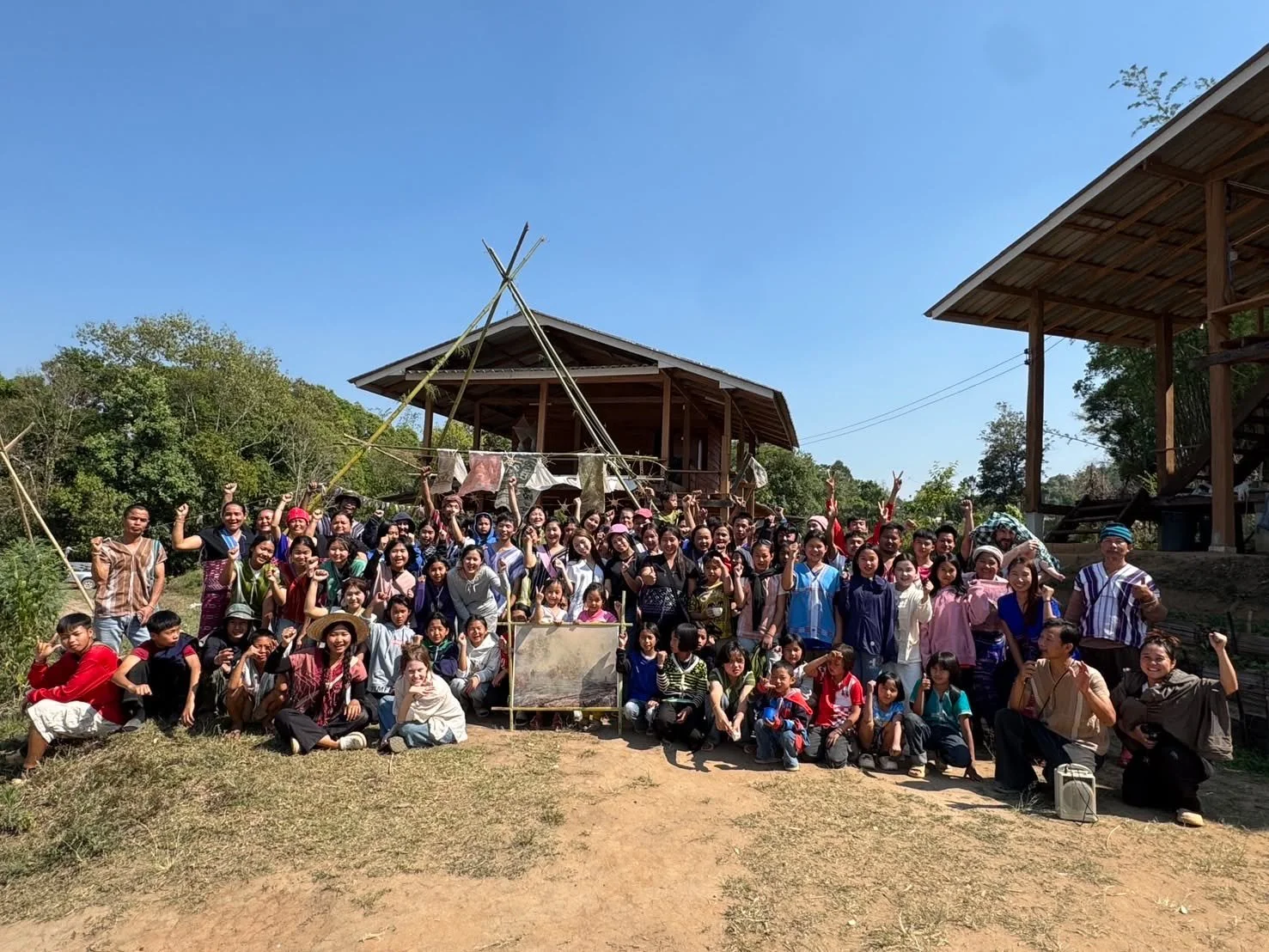
Siwakorn Odochao - Mae Wang Youth Camp
Roots and Rivers: How a Youth Camp Is Reconnecting Young People to Their Culture and Land
In the Mae Wang River Basin of Thailand, a river doesn't just carry water — it carries memory, tradition, and a way of life passed down through generations. Siwakorn Odochao set out to make sure the young people of this watershed inherit that connection, not just the river itself.
Through the Youth Camp for Cultural Learning and Environmental Conservation, Siwakorn brought together local youth for two camps designed to do something simple but powerful: help a new generation fall in love with their own culture and the land that sustains it.
Camp One: Rediscovering Local Wisdom
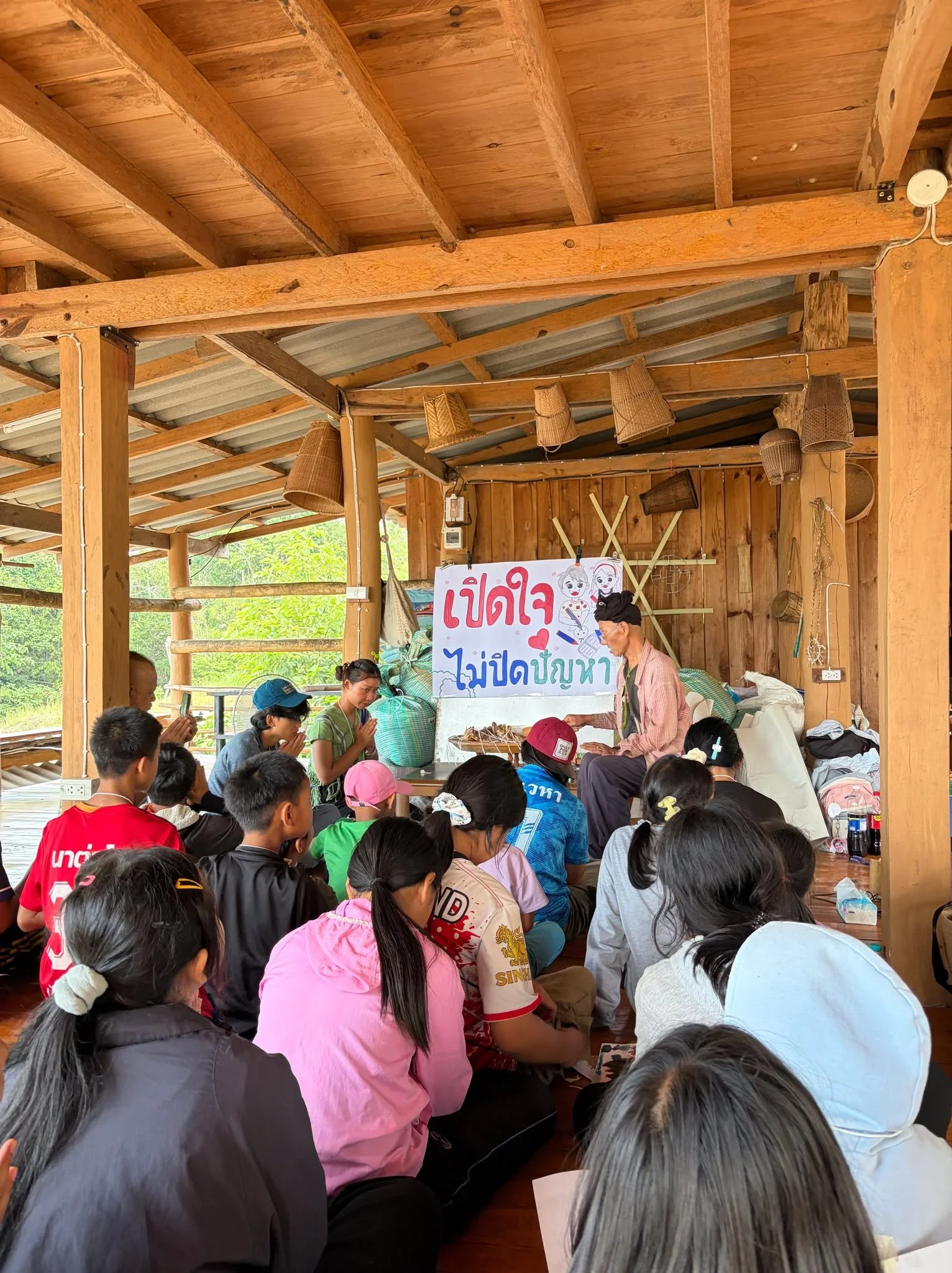
The first camp, held March 27–28, 2026, was rooted in cultural heritage. Rather than simply telling young people about their traditions, the camp invited them to live them.
Participants took part in the Life and Land analogue photography exhibition, capturing their surroundings through a lens that slowed them down and asked them to really look. They learned natural fabric dyeing using materials drawn from the land itself, tried their hand at traditional wood carving, and made herbal foot baths using local plant knowledge passed down through generations.
Each activity carried the same quiet message: the skills and wisdom of their community aren't relics of the past — they're living traditions, and worth carrying forward.
Camp Two: Letting Youth Lead
If the first camp was about learning from tradition, the second was about young people stepping into leadership themselves.
Held on April 5, 2026, this camp flipped the script — youth designed and ran their own activities. They organized a trekking expedition to study and help conserve the watershed forest, getting hands-on with the ecosystem their community depends on. Alongside it, they led group workshops raising awareness about the dangers of drugs and alcohol in their community, tackling a real issue in their own words and on their own terms.
Giving young people the reins wasn't just a nice gesture — it was the point. When youth design the solutions themselves, ownership follows.
A Deeper Bond With Culture and Land
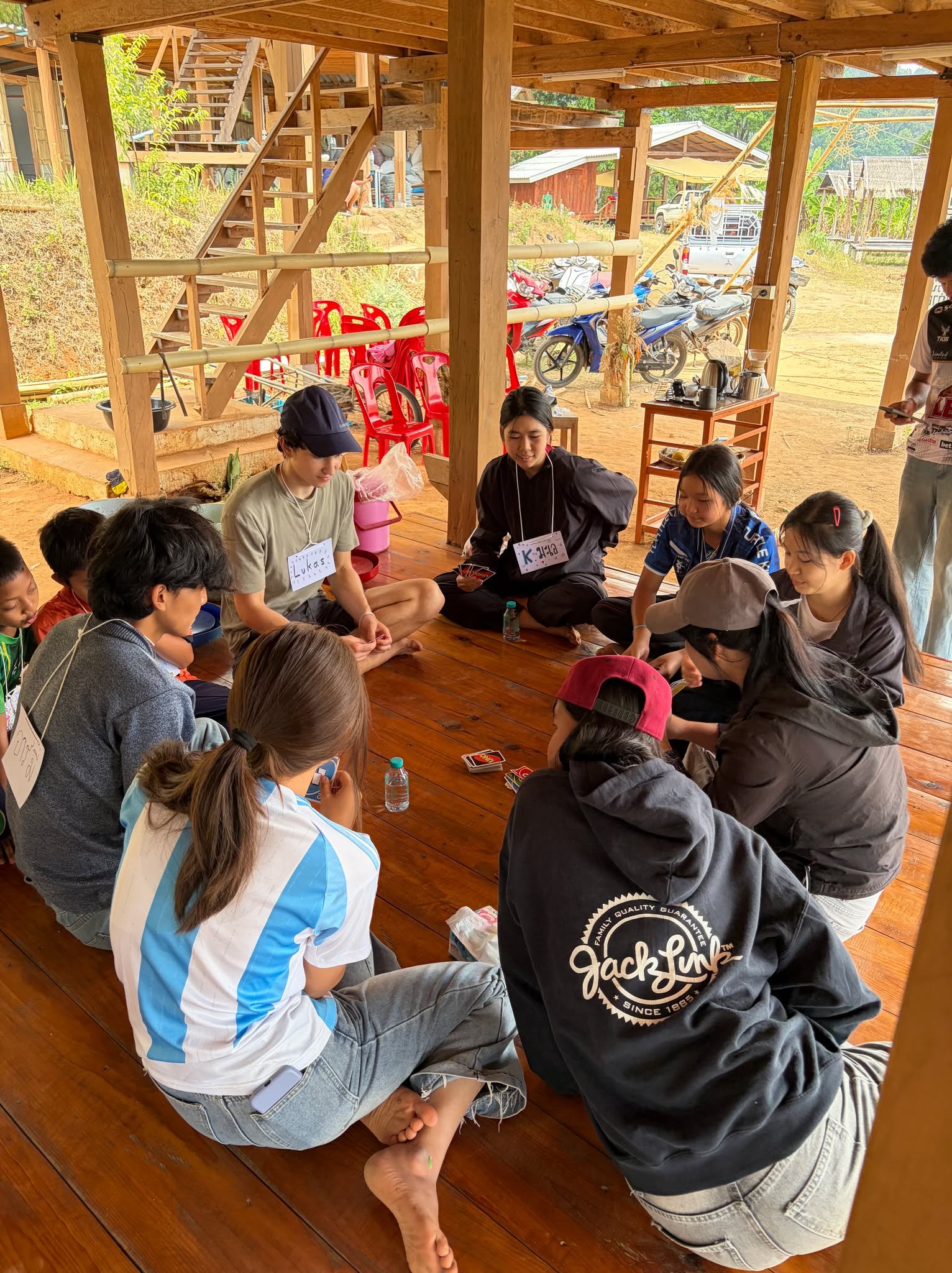
By the end of both camps, something had visibly shifted. Youth who came in as participants left with a stronger sense of identity — and a stronger sense of responsibility. They'd handled a camera, dyed cloth, carved wood, trekked a watershed forest, and led their peers in conversations that mattered.
The project has now been successfully completed, but its real impact will be measured in the years ahead: in a generation of young people in the Mae Wang River Basin who see their culture and their environment not as things to leave behind, but as things worth protecting — and leading the way to protect.