K. Sudhakar
From the Kitchen Garden Up: Growing Food Security in Pudhuvoyal Village
In Pudhuvoyal Village in southern India, K. Sudhakar has spent years watching Scheduled Caste and Scheduled Tribe families navigate a familiar, exhausting cycle: unpredictable daily wages, poor nutrition, and grocery bills inflated by chemically grown market vegetables they couldn't afford to skip.
As a farmer and Asian Rural Institute graduate who has dedicated his work to marginalized rural communities, Sudhakar believed there was a simpler, more sustainable answer — one that could start in a family's own backyard.
Starting Small, Starting Smart
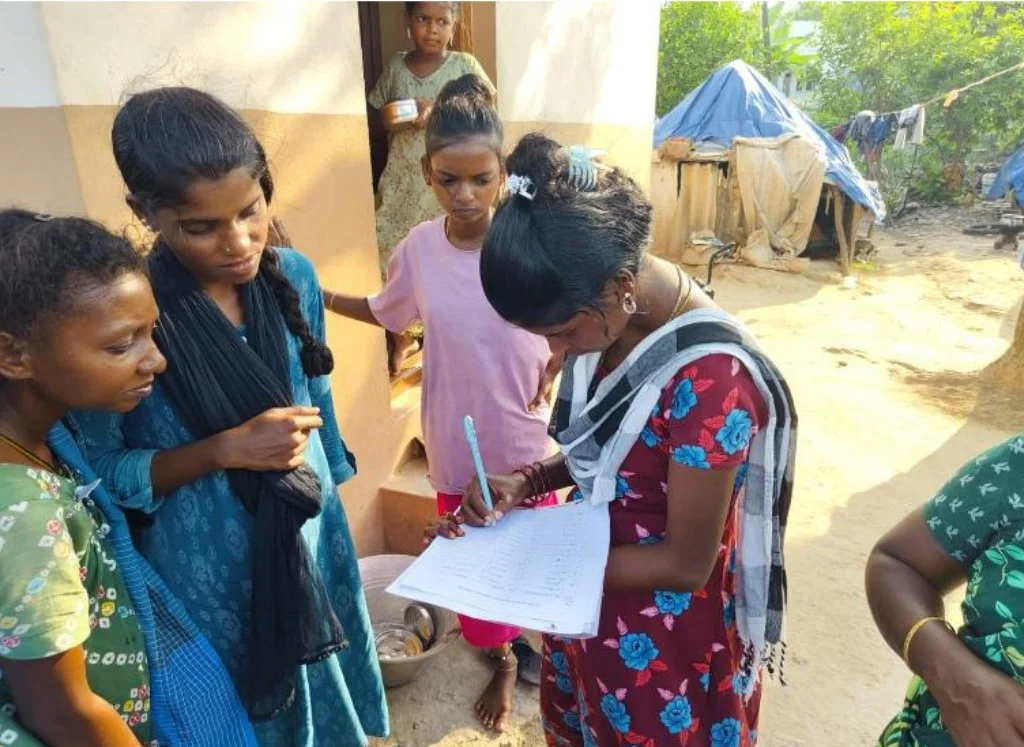
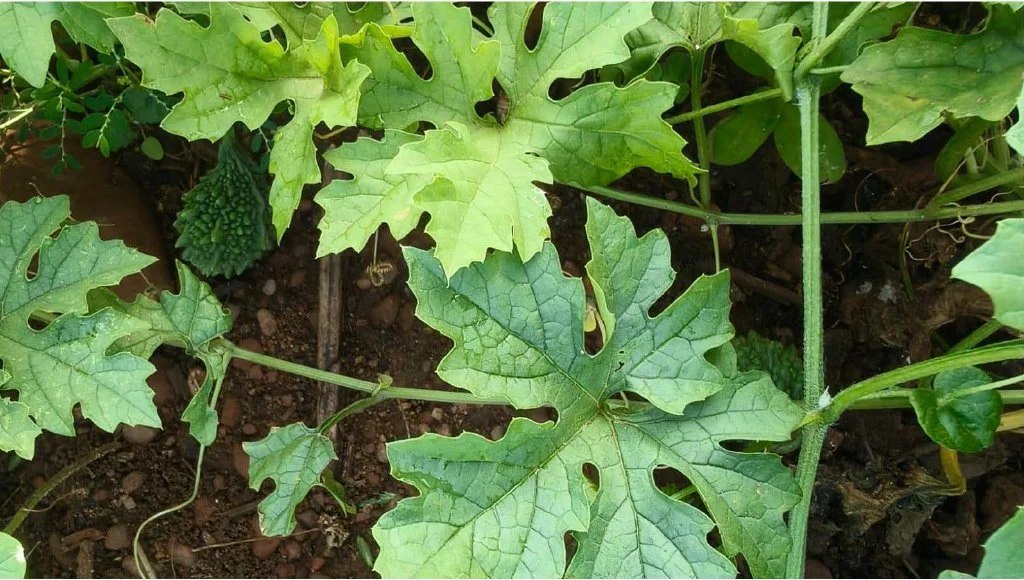
Sudhakar's project focused on 45 of the village's most vulnerable Scheduled Tribe households, chosen through careful, community-informed assessment of who needed support most. His method was refreshingly practical: organic kitchen gardening, small enough to fit any household plot, and low-cost enough to actually be sustainable.
Each family's matriarch received vegetable seed packets and basic gardening tools to get started. From there, the women went through hands-on training in organic gardening techniques, backed by participant manuals they could return to long after the sessions ended. Sudhakar didn't stop at planting — he stayed involved, offering ongoing mentorship and teaching the women how to keep records of their sales, turning kitchen gardens into small, sustainable businesses.
Gardens That Grew Into Community
The results reached well beyond the vegetable beds. Households have seen real economic stability from the kitchen garden sales, with the extra income going toward education, healthcare, and reinvestment in the gardens themselves.
Just as meaningful is what's grown between the families. What began as individual households working their own small plots has become a genuine community — women meeting frequently, sharing seeds, trading knowledge, and supporting each other as peers. The women involved have stepped into leadership roles they didn't hold before, becoming active decision-makers in their households' food production and planning rather than passive recipients of aid.
Roots Built to Last
Sudhakar's project succeeded on two fronts at once: economic and social. Families have built cooperation and unity through shared learning, and the initiative has nurtured local leadership among women, youth, and experienced farmers, who now serve as peer educators for one another.
For Sudhakar, the real measure of success isn't just the vegetables growing in these gardens — it's the strengthened community he hopes will keep growing long after his project officially ends. In Pudhuvoyal Village, food security started with a handful of seeds, and it's blossoming into something much bigger: a network of women who trust their own skills, and each other.