Benjamen Litika - Forest Roots Initiative
Forest Roots: Restoring Dignity and Voice in Rwanda's Miyove Pygmy Community
In the Miyove Pygmy community of Rwanda, Litika Veranso Benjamen has watched poverty and exclusion take a heavy toll — forests shrinking, land access disappearing, and entire families, especially women, losing not just resources but their voice in decisions that shape their own lives.
Benjamen decided to do something about it. Drawing on his own leadership and a deep belief in the community's resilience, he launched the Forest Roots Initiative to help Rwandan women and youth reclaim self-reliance, dignity, and food security–without giving up the forests they call home.
Through this project, he has seen women move from dependency and silence into managing their own income-generating work, taking part in decisions, and mentoring others coming up behind them. That transformation is exactly what Forest Roots was built to multiply.
Growing a Movement, Not Just a Garden
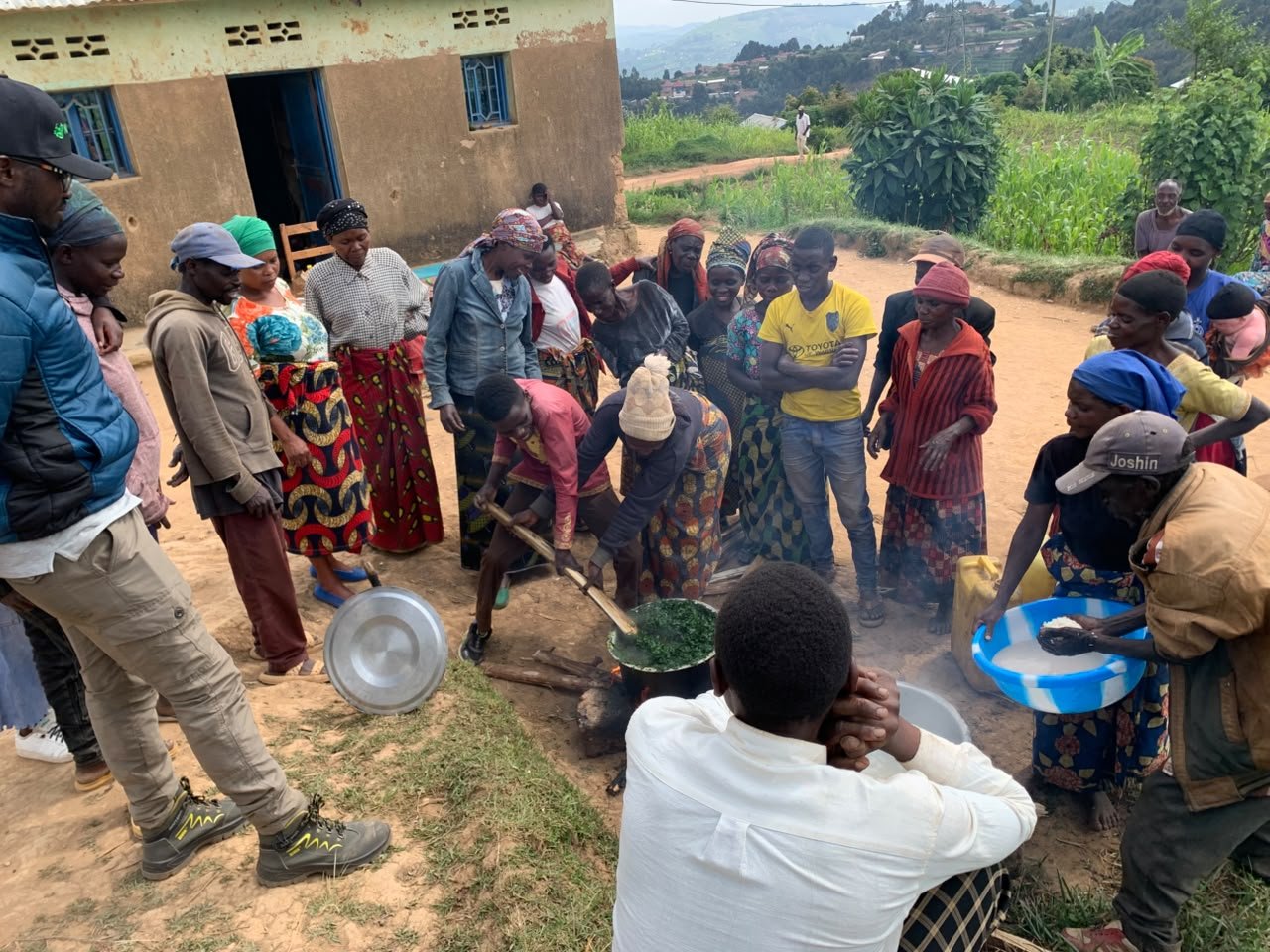
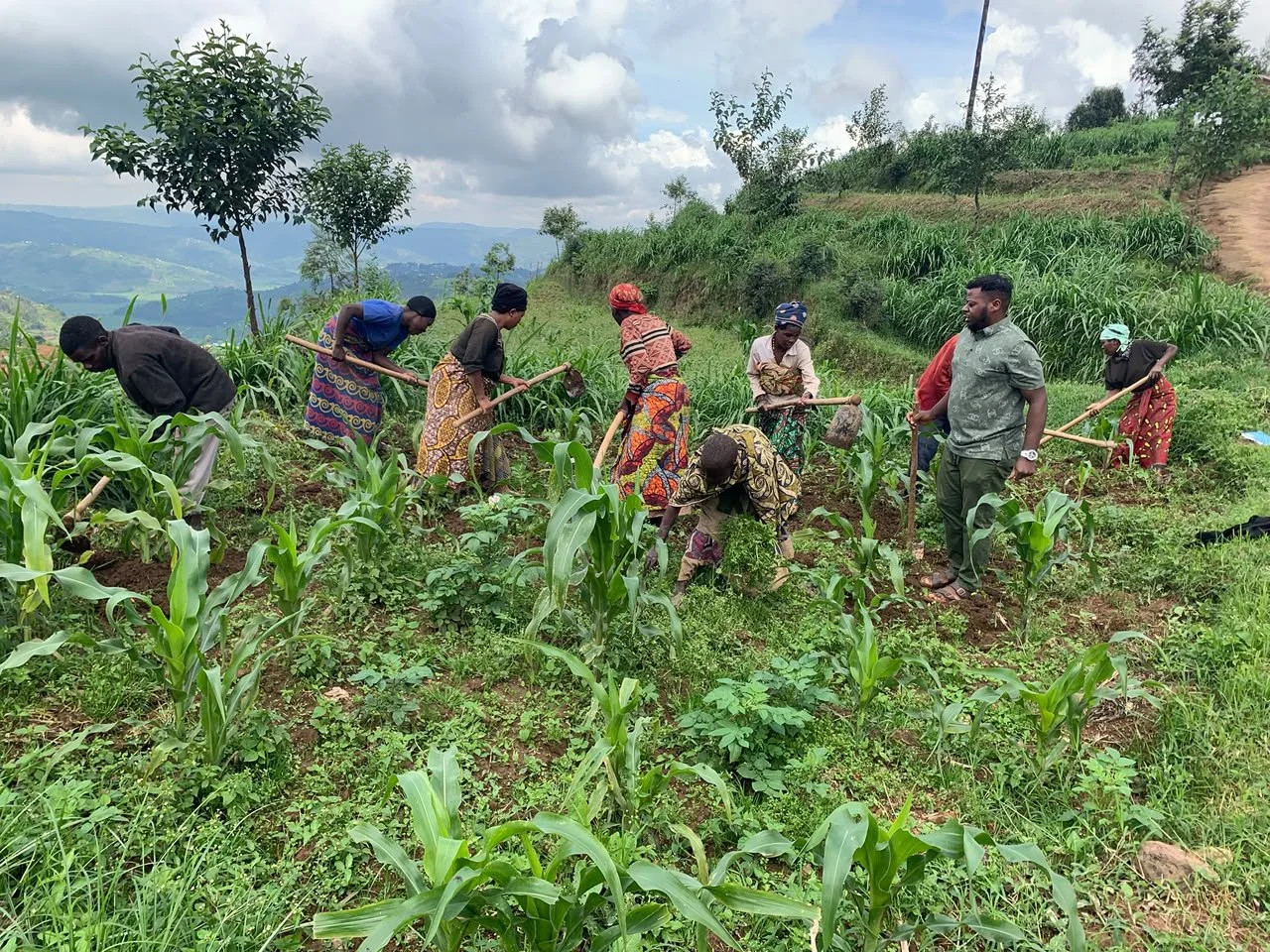
The initiative began by organizing 60 women and 40 youth from the Miyove Pygmy community into women- and youth-led groups and cooperatives. Each group received an assortment of mushroom, potato, maize, and bean seeds, along with demonstration plots for agroforestry and forest-based enterprises like beekeeping and mushroom cultivation.
From there, the training went deep. Members learned safe pesticide use, food processing, and bookkeeping — the full toolkit for turning land-based skills into a sustainable livelihood. They installed irrigation systems and water storage on their demonstration farms, ensuring food production could continue even through the off-season, when families are usually most vulnerable.
Just as important, Benjamen connected these groups to local buyers, fellow cooperatives, and market contacts, giving them real pricing information, quality standards, and the collective bargaining power that comes from selling together rather than alone. Throughout it all, he led regular reflection meetings with beneficiaries, elders, church partners, and the nonprofit Think About Education in Rwanda (NPO TER) — making sure the project kept adapting to what the community actually needed.
Early Results, Lasting Change
Though still ongoing, the initiative's impact is already striking. The 60 women involved have gained hands-on expertise in agroforestry, beekeeping, mushroom production, and the cultivation and processing of medicinal and aromatic plants — skills that let them produce and sell goods year-round, not just during a single harvest season.
Households are seeing real gains in food security and dietary diversity, alongside income that's covering school fees, healthcare, and clothing, with enough left over to reinvest in their own enterprises. The 40 youth participants are building skills, income, and leadership experience of their own, strengthening resilience across generations and reducing the pull toward risky or exploitative work.
Together, these women- and youth-led cooperatives are forming something bigger than any single harvest: collective bargaining power, more stable income, and a stronger, more connected community.
A Model Built on Listening
For Bemjamen, this project grew directly out of listening. He has described how community elders, women, and youth voiced a shared desire to restore dignity and self-reliance without destroying the forest they depend on — recognizing that the Miyove Pygmy community was caught in a cycle of shrinking forest access, vanishing wild food sources, deep poverty, and dependence on unstable outside aid, with women and youth most excluded from decision-making and economic opportunity.
Forest Roots was his answer: a practical, community-led agroforestry model that hands power back to the people who were long left out of the conversation — and gives them the tools to become confident, self-determined trailblazers in their own right.
It's a model built specifically for Miyove, but designed to travel — one that Benjamen believes can serve Pygmy and forest-dependent communities facing similar struggles far beyond Rwanda's borders.