Angela "Angel" Ratna Sari Biu - Sowing Seeds of Leadership
Sowing Seeds of Leadership: Kajong's Youth Are Choosing to Stay, Grow, and Lead
On Flores Island, in the highland village of Kajong, a familiar story has played out for years: young people finishing school and heading straight for the city, convinced that farming is a dead end and that opportunity lives somewhere else.
Angela "Angel" Ratna Sari Biu is working to write a different ending.
Through her project, Sowing Seeds of Leadership: Cultivating the Next Generation of Agri Leaders in Kajong, Angel is helping young people in her community see their own land — and their own future — differently. Not as something to escape, but as something worth building.
Turning Farmers Into Leaders
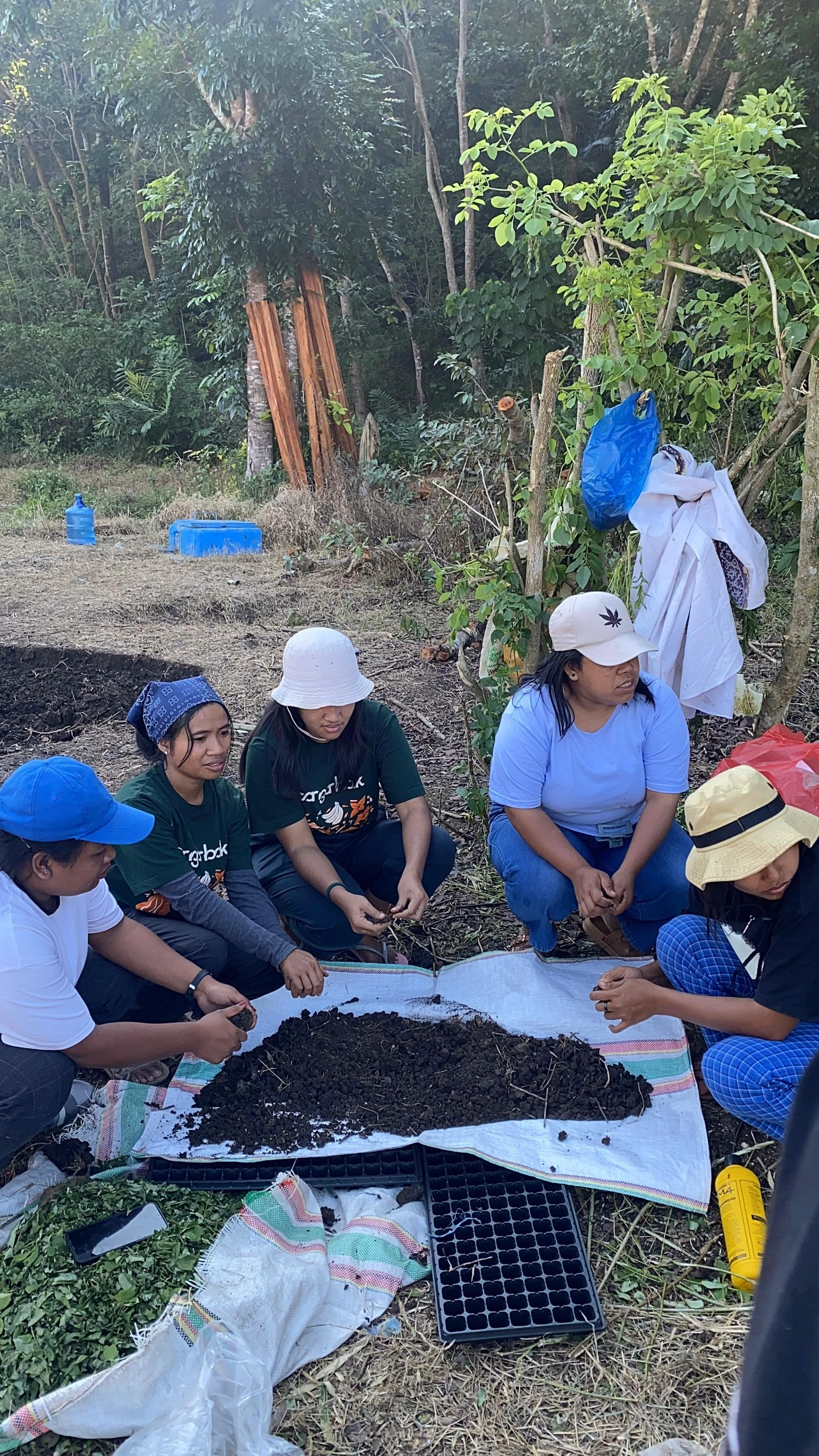
The project's first major step was the Organic Farming and Youth Leadership Training at Kajong Parish, built in partnership with Hekang Dite, Kajong Parish, and the Momang Lino Community, with support from Kibo Alliance. It was designed from the ground up to be community-led: Hekang Dite organizing, the parish hosting, and local volunteers facilitating — a structure meant to outlast any single event.
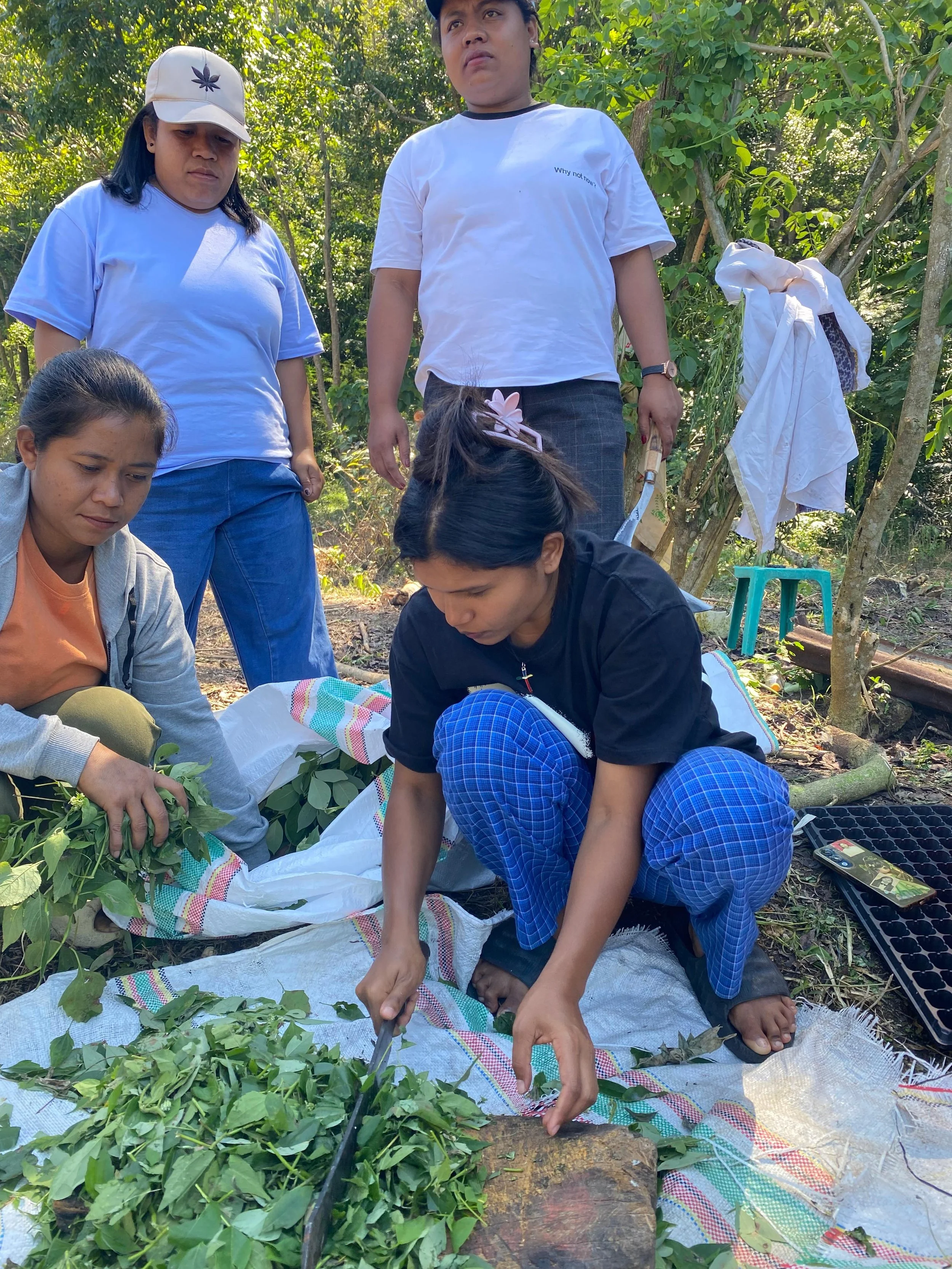
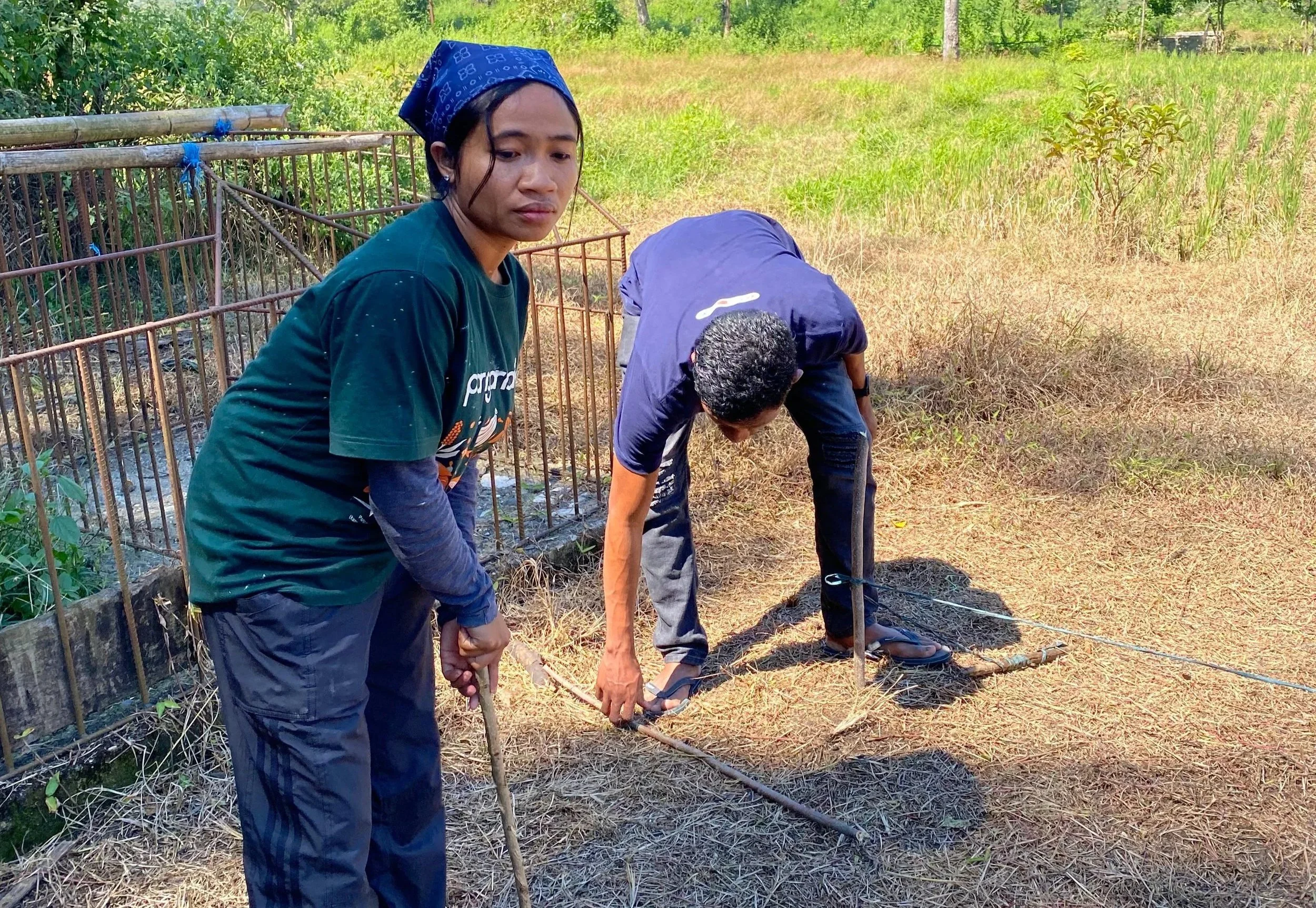
Thirty young people are now working through a curriculum that blends two things rarely taught together: practical organic farming — composting, natural pest control, regenerative techniques using local resources — and leadership development, through open conversations about food security, servant leadership, and community organizing.
Rather than simply receiving instruction, participants started with something more personal: a SWOT analysis of their own village, naming the real challenges Kajong faces — youth unemployment, limited access to capital, dependence on outside farming inputs, and a changing environment. It's a small shift with a big goal: turning young people from bystanders into problem-solvers.
Changing Minds About What Farming Can Be
That shift hasn't come easily. Many young people in Kajong have grown up believing that a good future means leaving — that rural life means limited opportunity, and that farming is something you do out of necessity, not choice. Convincing them otherwise, and keeping them engaged around demanding schedules of school, family responsibilities, and seasonal work, has been one of the project's biggest tests.
There are practical hurdles too. Tools and supplies are expensive where infrastructure is limited. Some traditional local seed varieties have already been lost, and younger generations often don't have the knowledge to preserve the ones that remain. Add in unpredictable rainfall and a changing climate, and the case for sticking with familiar, chemical-dependent farming methods can feel easier than trying something new.
But Angel and her partners see these very challenges as the reason the work matters. Meeting them requires more than technical know-how — it takes rebuilding belief, alongside skills.
Milestones on the Way to Something Lasting
In just the first phase, the project has reached real turning points: a strong local partnership built for the long haul, a full training curriculum created for 30 youth participants, and — perhaps most encouraging — genuine interest and engagement from young people willing to reconsider what a life in agriculture could look like.
The vision extends well beyond the training itself. Graduates will be supported to launch Youth-Based Agricultural Business Units, an early step toward a longer-term goal: a Youth Organic Cooperative with its own revolving capital fund, so young farmers can access resources without depending on outside aid indefinitely.
Fittingly, the training launched around World Environment Day, tying local action in Kajong to a much larger conversation about climate resilience and sustainable food systems — a reminder that what happens on this small stretch of Flores Island is part of something bigger.
Just the Beginning
This project is still unfolding. The next phase will bring the training to life in full, track what participants are learning, and help the first youth cooperative groups take shape. But the foundation — of partnership, of a shared vision, and of young people willing to imagine themselves as leaders instead of leavers — is already firmly planted.
As Angel puts it, the goal was never just to teach farming skills. It's to grow a generation of young leaders in Kajong who choose to stay, and to build something lasting for their community's future.